Common Types of Flagstone Used for Patios and Walkways
People seeking flagstone installation often want durable, attractive materials for patios and walkways, and local contractors can help select and expertly install the best types for their needs.
Property owners exploring options for enhancing outdoor living spaces often turn to flagstone for its natural beauty and durability. Understanding the common types of flagstone used for patios and walkways can help homeowners make informed choices that complement their property's style and meet practical needs. Whether aiming for a rustic, formal, or contemporary look, knowing the characteristics of different flagstone varieties can guide selections that stand up to foot traffic and weather while maintaining aesthetic appeal.
Local contractors specializing in flagstone installation are well-versed in the different types available and can help property owners choose the right material for their specific project. These professionals bring expertise in handling the unique qualities of each flagstone type, ensuring a proper fit and long-lasting results. By working with experienced service providers, homeowners can achieve a beautiful, functional outdoor space that enhances their property’s value and enjoyment.
- Sandstone flagstone - ideal for creating natural-looking patios and walkways, with local contractors skilled in selecting and installing this durable material.
- Limestone flagstone - often chosen for its elegant appearance and weather resistance, with service providers experienced in handling its specific installation needs.
- Quartzite flagstone - used for high-traffic areas due to its strength, with local pros adept at ensuring proper placement and stability.
- Slate flagstone - popular for its rich color variations and slip resistance, with contractors who can expertly cut and fit this material for seamless surfaces.
- Travertine flagstone - favored for its textured surface and aesthetic appeal, with service providers capable of installing it to enhance outdoor spaces.
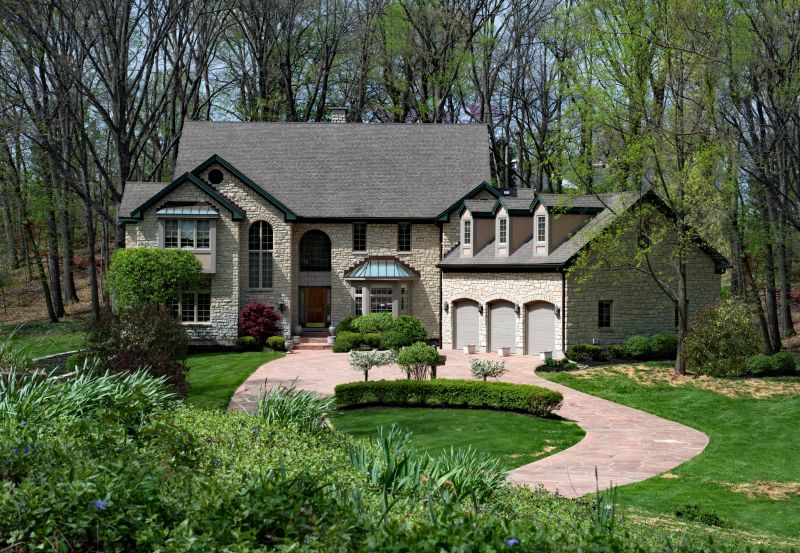
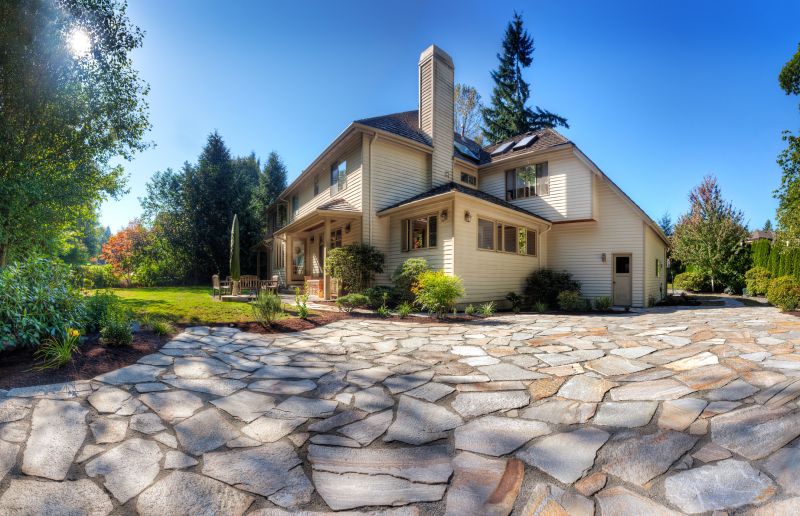
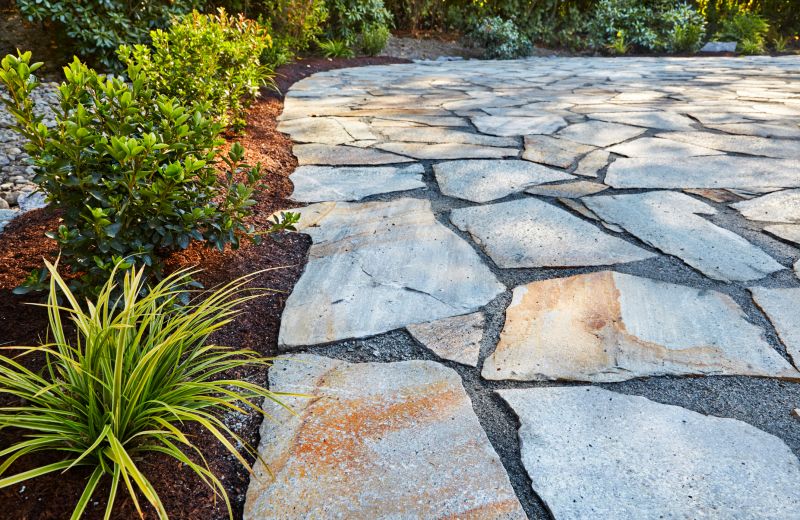
When searching for information on common types of flagstone used for patios and walkways, homeowners are often exploring options for durable, attractive materials to enhance outdoor spaces. This topic relates to plans for creating inviting, functional surfaces that can withstand foot traffic and weather conditions, as well as addressing problems like uneven terrain, cracking, or shifting that can occur with less suitable materials. People typically consider flagstone because they want a natural, timeless look that complements their property's style, whether it’s a traditional backyard or a more modern landscape. Understanding the different types available helps homeowners make informed decisions about what will best suit their property’s aesthetic and practical needs.
Properties that come up in discussions about flagstone tend to vary widely, from residential yards and garden paths to larger commercial landscapes. Many homeowners with spacious backyards or gardens seek flagstone for patios that serve as outdoor living areas. Walkways connecting different parts of a property often benefit from flagstone’s natural slip-resistant surface, especially in areas prone to rain or snow. Additionally, properties with uneven terrain or slopes may require specific types of flagstone that can be laid securely and evenly. Local contractors experienced in flagstone installation can assess these property features and recommend the most suitable options to ensure a long-lasting and visually appealing result.
The common types of flagstone used for patios and walkways are distinguished by their material, color, and texture, each offering unique benefits. Sedimentary flagstone, often made from sandstone or limestone, is a popular choice due to its natural appearance and ease of shaping. Slate is another common type, valued for its fine grain and smooth surface, which provides a sleek, modern look. Quartzite, a metamorphic rock, is known for its exceptional durability and resistance to weathering, making it suitable for high-traffic areas. Homeowners should consider how each type’s characteristics align with their project’s aesthetic goals and functional requirements, with local service providers able to guide them through the selection process.
Choosing the right type of flagstone involves understanding how each material performs in outdoor conditions and how it complements the existing landscape. Factors such as color variation, surface texture, and size all influence the overall appearance of the finished project. For instance, flagstone with a rougher texture may offer better traction, while smoother stones can provide a more polished look. Local pros who specialize in flagstone installation can help evaluate the specific needs of a property, recommend appropriate types, and ensure proper laying techniques. This expertise is essential for achieving a stable, attractive surface that will stand up to daily use and the elements, making the investment in quality flagstone a worthwhile choice for many property owners.
Stone paving projects - tasks involving natural stone for walkways and patios often require similar skills in selecting, cutting, and installing flagstone types.
Outdoor flooring installation - installing various natural stone surfaces for outdoor spaces shares planning and surface preparation techniques with flagstone patio projects.
Garden path construction - creating garden paths with natural stone involves similar tools and planning considerations as flagstone walkways.
Patio redesigns and upgrades - updating existing outdoor spaces with new stone materials involves comparable skills in layout and surface finishing as flagstone installation.
Retaining wall building - working with stone for structural features uses similar handling and placement techniques as flagstone projects.
Landscape stone features - designing and installing natural stone features like borders or focal points often shares the same expertise as flagstone patio work.
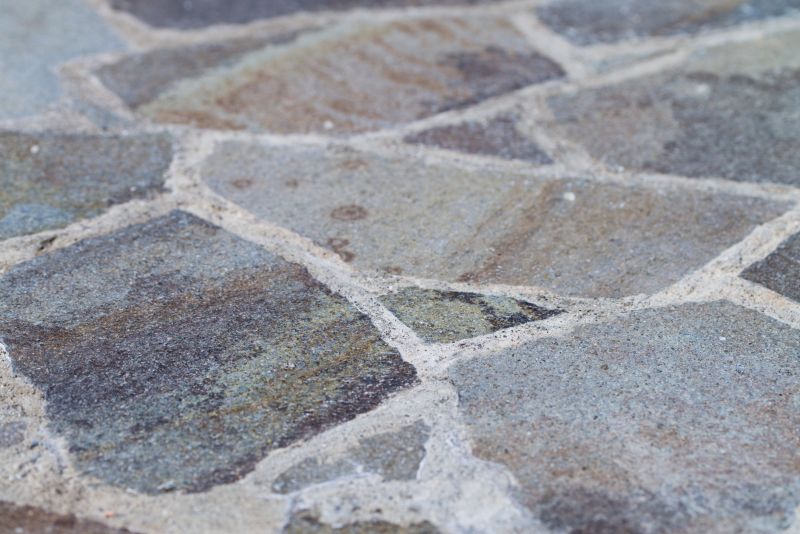
When evaluating service providers for flagstone installation, it’s important to consider their experience with similar projects involving common types of flagstone used for patios and walkways. Homeowners should inquire about the types of flagstone the contractors have worked with, such as sandstone, limestone, or slate, and whether they have successfully completed projects comparable in size and style. An experienced contractor will understand the nuances of different flagstone materials, including their installation requirements and aesthetic qualities, which can impact the durability and appearance of the finished patio or walkway.
Clear, written expectations are essential to ensure that both the homeowner and the contractor are aligned on the scope of work, materials, and finishes. When comparing local contractors, it’s helpful to review detailed proposals or estimates that specify the type of flagstone to be used, surface finishes, and installation methods. This clarity helps prevent misunderstandings and provides a basis for evaluating the quality of the proposed work. Additionally, reputable service providers should be willing to share references from past clients who had similar flagstone projects, offering insights into their reliability and the quality of their craftsmanship.
Effective communication plays a key role in a successful flagstone installation. Homeowners should seek out contractors who are responsive, transparent, and willing to address questions or concerns throughout the process. Good communication ensures that expectations are managed properly and that any project-specific details, such as the selection of common types of flagstone used for patios and walkways, are thoroughly discussed. By focusing on these factors-experience with comparable projects, clear written expectations, reputable references, and open communication-homeowners can better compare local service providers and select a contractor suited to their specific needs.
Property owners often search for common types of flagstone used for patios and walkways when they are planning practical projects around their homes and businesses. Local pros provide Flagstone Installation services for everyday jobs and straightforward project options.
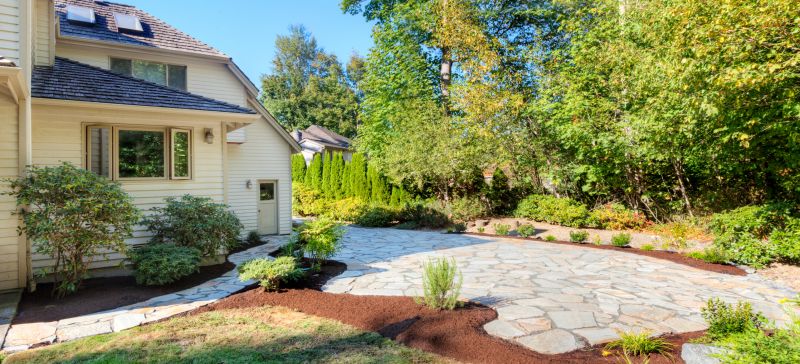
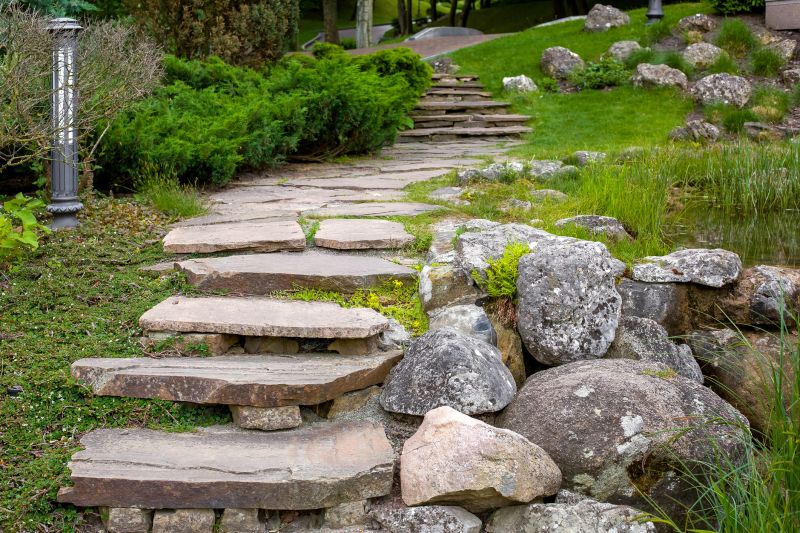
Many property owners exploring options for enhancing outdoor spaces often look into the common types of flagstone used for patios and walkways. These natural stone choices can add a durable and attractive surface to outdoor areas, but selecting the right type depends on factors like appearance, texture, and how well it withstands foot traffic. When considering a flagstone installation, it’s helpful to consult with local contractors who have experience working with different stone varieties to ensure the material complements the landscape and meets functional needs.
Local service providers can assist in identifying the most suitable flagstone types for specific projects, whether that’s a rustic flagstone with a textured surface or a smoother, more polished option. They can also handle the installation process, making sure the chosen stone is properly laid and secured. Property owners interested in this type of project often find it beneficial to compare local contractors who specialize in flagstone work, helping to find the right team to bring their outdoor vision to life with quality craftsmanship.
What are common types of flagstone used for patios and walkways? Common types include sandstone, limestone, slate, and quartzite, each offering different colors and textures. Local contractors can help select the best type based on the desired look and durability for outdoor spaces.
How does the material of flagstone affect its installation for patios and walkways? The material influences factors like weight, porosity, and slip resistance, which impact installation methods. Experienced service providers can ensure proper placement and stability for each type of flagstone.
Are certain types of flagstone more suitable for high-traffic areas? Yes, denser and more durable options like quartzite and slate are often better suited for high-traffic patios and walkways. Local pros can recommend the best material for specific usage needs.
Can different types of flagstone be combined in a single patio or walkway? Combining various types of flagstone is possible to create unique designs, but it requires skilled installation to ensure proper fit and stability. Local contractors can manage such custom projects effectively.
What should be considered when choosing flagstone types for outdoor use? Factors include climate, aesthetic preferences, and surface stability. Consulting with local service providers helps ensure the selected flagstone meets the specific requirements of the outdoor space.
Natural sandstone flagstone - property owners can choose natural sandstone for a warm, textured look in their patios, with local contractors providing expert installation. Limestone flagstone - limestone offers a smooth surface that can be ideal for walkways, and local pros can help ensure proper sealing and placement. Slate flagstone - slate’s rich color variations make it a stylish choice for patios, with experienced service providers handling the layout and leveling. Quartzite flagstone - quartzite provides durability and a unique appearance, and local contractors can assist in selecting and installing the right pieces for outdoor spaces.
If you are thinking about common types of flagstone used for patios and walkways for a property, this guide is meant to help you understand this topic, the typical project types, and how different options might fit your plans.
When you are ready, you can use the quote form on this page to share a few details about your project. From there, local pros can review the basics and follow up with options that match what you have in mind.